
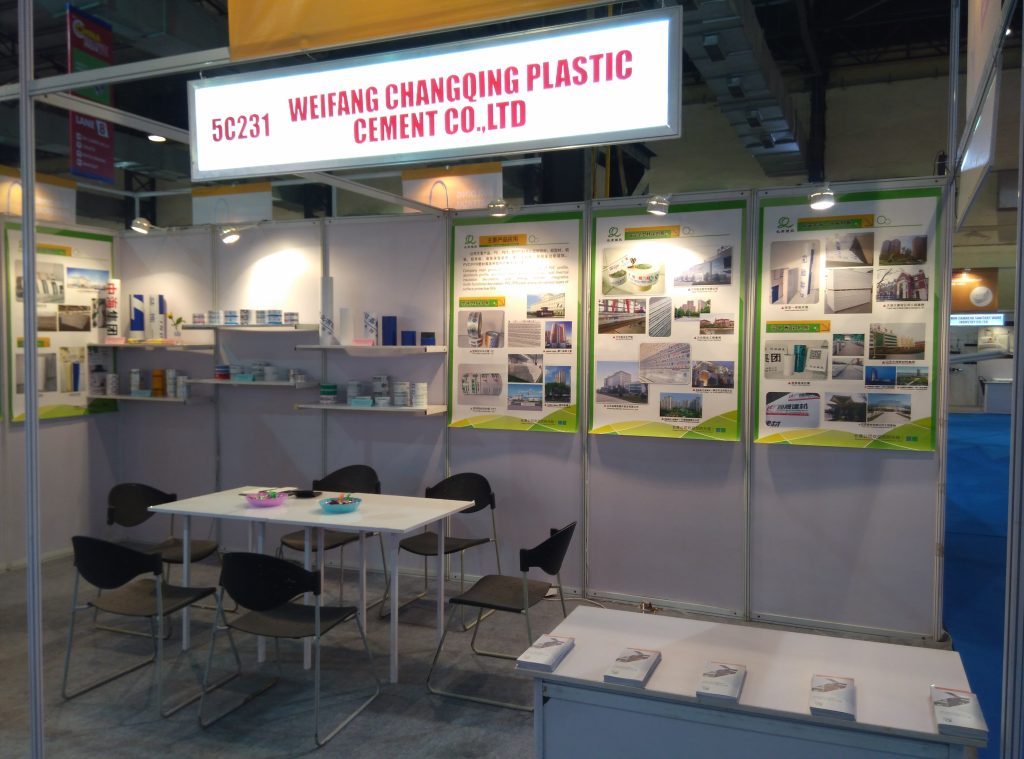
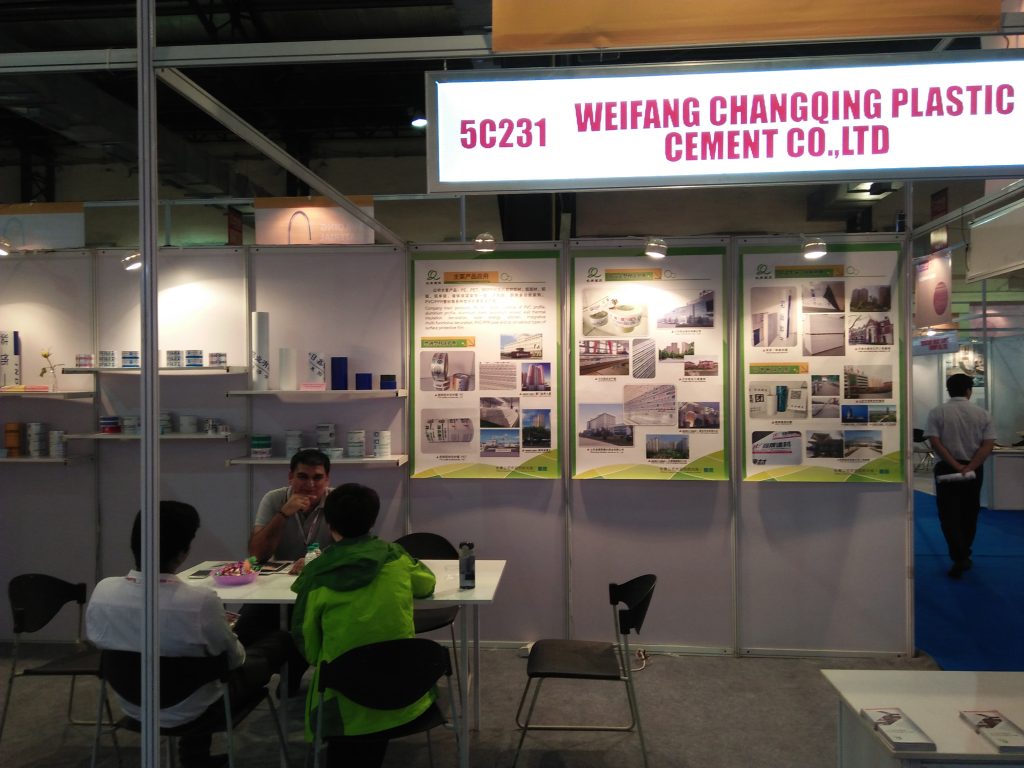
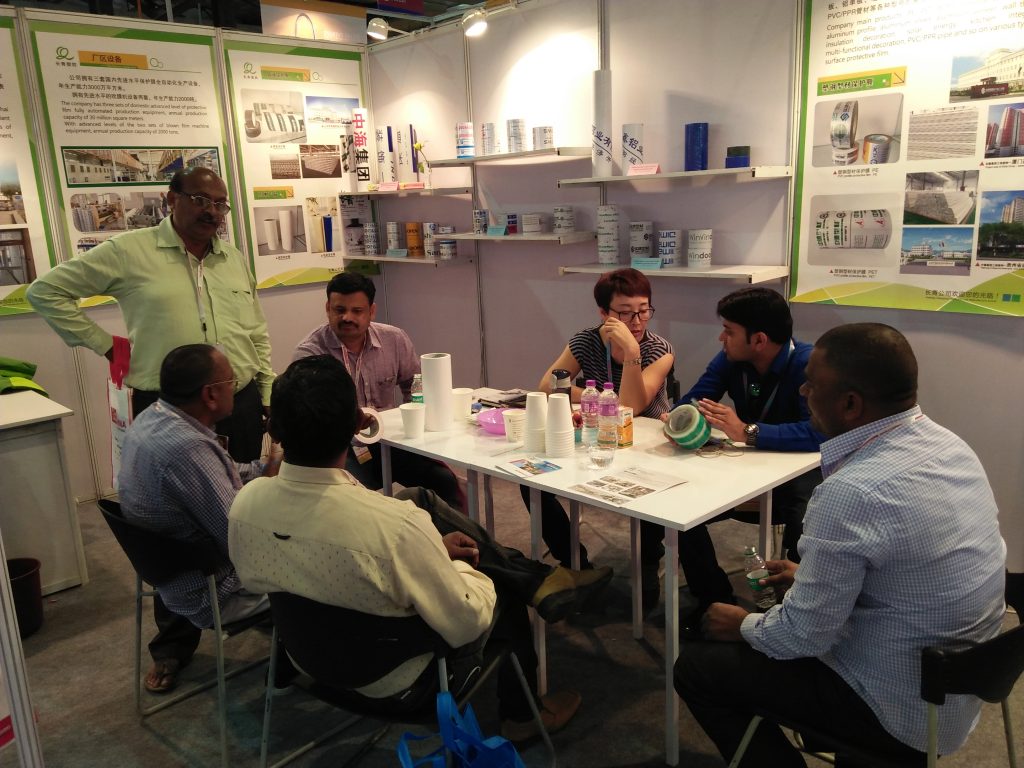
The Voyage of Weifang Protective Film
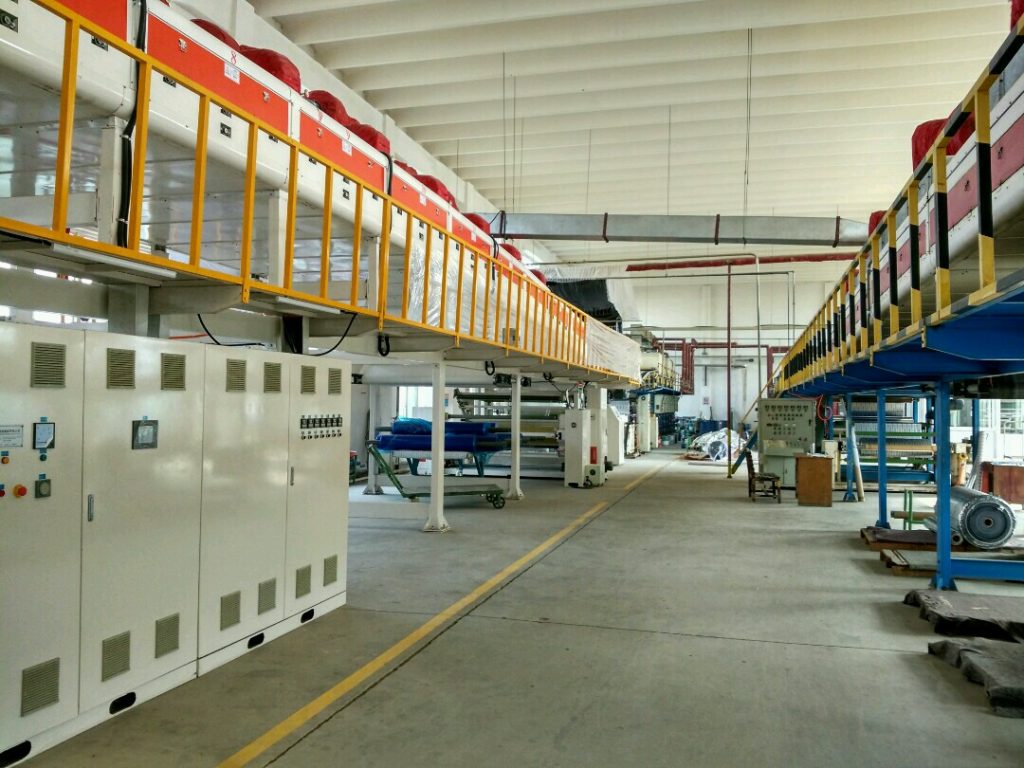
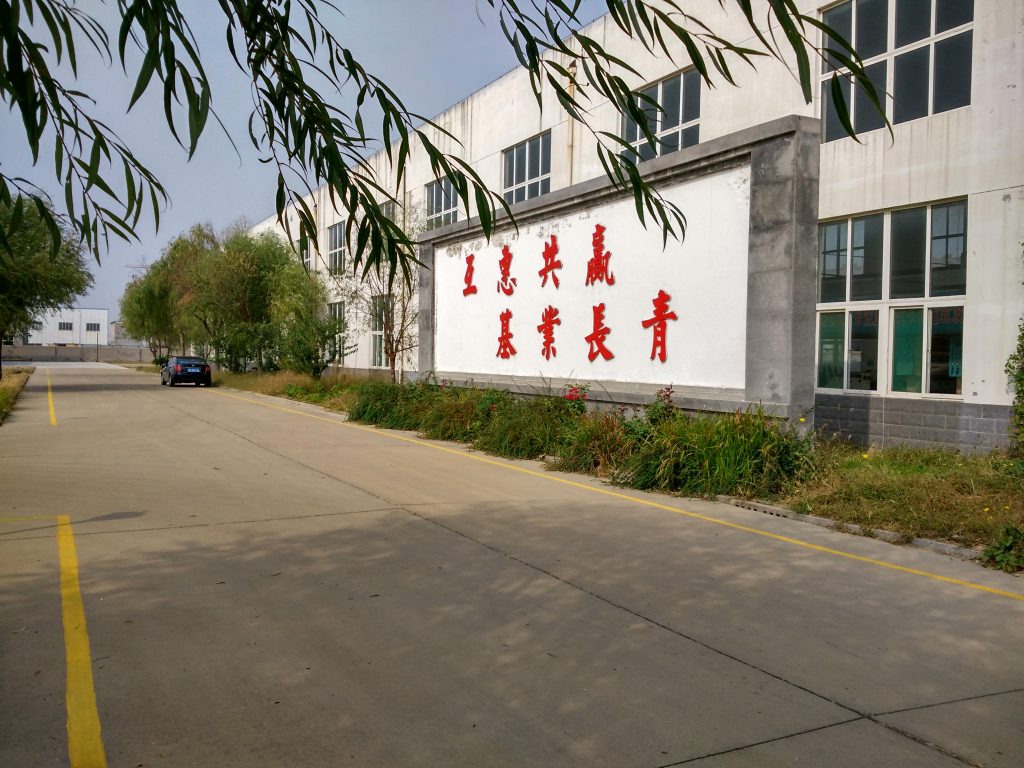
The journey had begun, and had begun quietly, not with the fanfare of a harbour crowded with flags, but with the steady hum of extruders and the soft whisper of film rolling upon cores. They walked through the workshop floor, and all the noise of the outside world—the distant traffic, the clamour of the city—fell away. The factory stood at No.1799 Xiangjiang West 1 Street, in the Binhai Economic Development District of Weifang, a place where the air carried the faint metallic tang of machinery and the clean scent of polyethylene fresh from the melt.
They had left behind the old days of 2007, when the business was only a seed in the soil of Shandong. Now, eighteen years on, fifty-five hands moved with quiet precision among the production lines—above ten lines in all, humming like a chorus of diligent bees. Three researchers bent over their benches, their minds tracing the invisible architecture of ODM and OEM formulations, while two foreign trade staff spoke in swift, accented English into telephones that bridged oceans. The annual output spread itself across three hundred million square metres—a vast, transparent blanket that could wrap the imagination of any builder, any glazier, any floor-layer from North America to East Asia.
The ship of this enterprise was not a thing of steel and steam, but of polyethylene and polyester and PET—films of three kinds, each with its own temper. One was for building materials, tough as a labourer’s palm; another for glass and mirrors, clear as a mountain spring; a third for floors and pipelines, flexible as a willow branch. They sailed under the flag of ISO9001, a certification that hung above them like a fixed star, steady and unblinking. Their port of call was Qingdao, where containers piled high like white cliffs, and from there the cargo streamed westward to Europe, northward to Canada, eastward to Japan and South Korea—and beyond, to the scatter of other lands that asked for protection.
The terms of their passage were written plainly: FOB, CIF, CFR, and payment by T/T with deposit, or L/C at sight. Their lead time was thirty days, whether in the rush of peak season or the quiet of off months—a promise kept as faithfully as the tides. And their annual export revenue, between ten and fifty million US dollars, was not a boast but a measure, like the depth of water beneath a keel.
Mrs. Wang, the export manager, stood at the window of the office and watched the sun set over the factory roof. She thought of the first shipment in 2005—though the official records said 2007, the memory went back further, to a time when the company was not yet born, only dreamed. Now the dream had taken shape, had earned its own export licence, had grown its own roots in the mud of Weifang and stretched its branches across the world. She turned to her colleague and smiled, for she had something private to communicate—not a secret, but a quiet certainty: that the voyage was only beginning, and the sea ahead was wide and full of light.